 1-416-617-5835
 mmheatingcooling@gmail.com
 Get A Quote

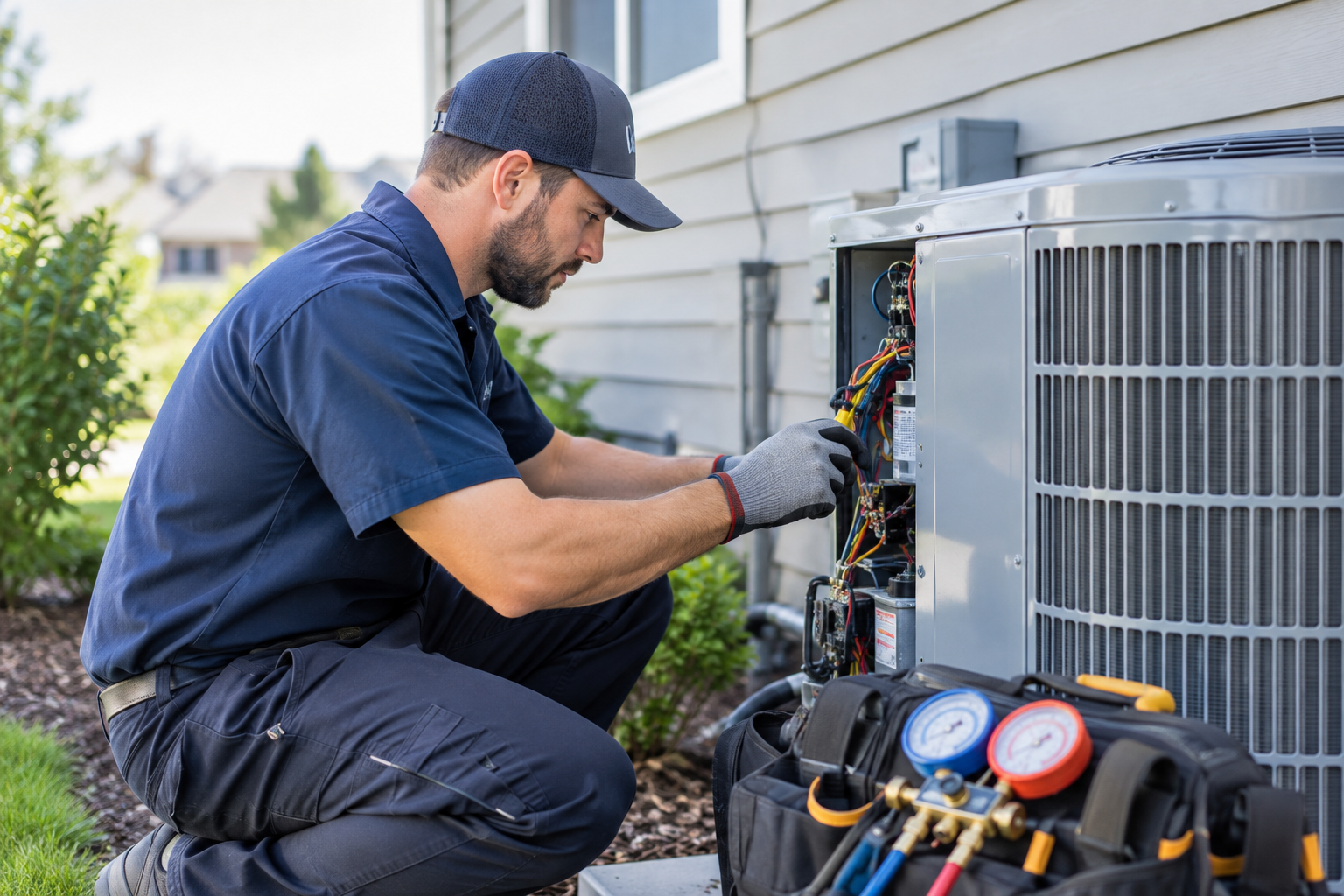
When your furnace stops working, your air conditioner isn’t cooling properly, or your HVAC system starts making unusual noises, scheduling a service call is often the best way to get things back to normal. But if you’ve never hired an HVAC contractor before, you might wonder what happens during the appointment, how long it takes, and what the technician will need from you.
Understanding what to expect during an HVAC service call can help you feel more prepared and confident. Here’s a step-by-step look at the process, from the technician’s arrival to the final recommendations.
1. Discussing Your HVAC Problems
A typical HVAC service call begins with a conversation about the issue you’re experiencing. Your technician will ask questions to understand what’s happening with your heating or cooling system.
They may ask:
- When did you first notice the problem?
- Is your system running continuously, shutting off unexpectedly, or not turning on at all?
- Have you noticed unusual noises, smells, or changes in airflow?
- Have your energy bills increased recently?
- When was your system last serviced?
Providing as much detail as possible can help the technician narrow down potential causes and determine which components may need closer inspection.
2. Inspecting Your Heating and Cooling System
Once the technician understands your concerns, they’ll inspect the relevant parts of your HVAC system. The exact checks will depend on your equipment and the reason for the service call.
For an air conditioner, the inspection may include checking the outdoor condenser, indoor evaporator components, air filter, thermostat, airflow, and electrical connections.
For a furnace, the technician may examine the ignition system, blower motor, burners, thermostat, air filter, and safety controls.
If you have a heat pump, the technician may inspect its heating and cooling operation, refrigerant circuit, electrical components, and defrost function when appropriate.
The goal is to identify the underlying cause of the problem rather than simply treating the symptoms.
3. Diagnosing the Problem
After the initial inspection, your HVAC technician will perform the necessary diagnostic tests. Depending on the issue, this could involve checking electrical readings, testing system controls, measuring airflow, inspecting drainage, or evaluating heating and cooling performance.
For example, an air conditioner that’s blowing warm air might have an airflow restriction, an electrical problem, or a refrigerant-related issue. A furnace that won’t start could have a faulty ignition component, a control issue, or another problem that requires further testing.
A professional diagnosis helps determine which repairs are actually necessary.
4. Explaining the Findings and Repair Options
Once the technician identifies the likely cause, they should explain their findings in language you can understand.
You’ll generally want to know:
- What’s wrong with the system?
- What caused the problem, if it can be determined?
- What repairs are recommended?
- How much will the repair cost?
- Are replacement parts required?
- Is the repair urgent, or can it wait?
A reputable contractor should explain the available options and provide an estimate before proceeding with additional paid work. If the problem is more complicated than expected, further testing or a return visit may be necessary.
Don’t hesitate to ask questions if anything is unclear.
5. Completing the Necessary Repairs
If you approve the repair and the required parts and time are available, the technician may be able to complete the work during the same appointment.
Common HVAC service call repairs include replacing a faulty thermostat, clearing a condensate drain, correcting certain electrical faults, replacing an appropriate component, or addressing an airflow problem.
More complex repairs may require special parts, additional diagnostic work, or a separate appointment.
Your technician should explain any additional costs or changes in scope before carrying out work beyond what you’ve approved.
6. Testing the System After Repairs
After completing the repair, the technician should check that the system is operating as expected.
Depending on the work performed, this may include running the equipment, verifying thermostat operation, checking airflow, testing controls, and confirming that the original problem has been addressed.
For heating equipment, appropriate safety checks are particularly important. The technician should also explain if any issues remain or if further work is recommended.
Before the appointment ends, ask whether there’s anything you should monitor over the next few days.
7. Receiving Maintenance Recommendations
During the visit, your technician may identify maintenance tasks or other issues that could affect your system’s performance.
Recommendations might include changing a dirty air filter, scheduling routine maintenance, addressing restricted airflow, improving thermostat settings, or investigating uneven temperatures throughout your home.
If your equipment is older, the technician may also discuss its condition and whether future repairs or eventual replacement should be considered.
Not every recommendation requires immediate action. Ask which items are essential for safe operation, which affect performance, and which can be planned for later.
How Long Does an HVAC Service Call Take?
The duration of an HVAC service call depends on the problem, the type of equipment, and whether repairs can be completed during the visit.
A straightforward inspection or minor repair may take approximately 30 to 90 minutes. More involved troubleshooting or repairs can take several hours, while complicated problems may require additional appointments.
Your contractor should be able to provide a more realistic time estimate once they understand the issue.
How Much Does an HVAC Service Call Cost?
The cost of an HVAC service call varies depending on your location, the contractor’s pricing structure, the time of the appointment, and the work required.
Some contractors charge a diagnostic or service fee that covers the initial visit and assessment. Repairs, replacement parts, after-hours service, and additional labour may cost extra.
Before booking, ask whether the quoted fee includes diagnosis, whether it is applied toward an approved repair, and whether there are additional charges for evenings, weekends, or holidays.
Request a clear estimate before authorizing repairs so you understand the expected cost.
How to Prepare for Your HVAC Appointment
A little preparation can help your technician diagnose the issue more efficiently.
Before the appointment:
- Write down the symptoms. Note when the problem started and whether it happens consistently.
- Check your thermostat. Make sure the settings are correct and mention any error messages.
- Replace the filter if necessary. If it’s easily accessible and safe to change, check whether it’s visibly dirty.
- Clear access to the equipment. Move stored items away from the furnace, indoor unit, or other areas the technician needs to inspect.
- Have relevant information available. If possible, locate your equipment’s model number, warranty information, and previous service records.
- Keep pets and children away from the work area. This helps the technician work safely.
Avoid attempting electrical repairs, opening sealed refrigerant systems, or working on gas components yourself.
When Should You Call an HVAC Contractor?
It’s a good idea to schedule professional service when your system isn’t heating or cooling properly, airflow has noticeably decreased, unusual noises develop, energy bills rise unexpectedly, or the equipment repeatedly turns on and off.
Some situations require more urgent attention. If you smell gas, leave the building and contact your gas utility or emergency services from a safe location. If a carbon monoxide alarm activates, get everyone outside and call emergency services. Don’t re-enter until authorities say it’s safe.
Prompt attention can help prevent some problems from becoming more serious and restore comfort to your home.
Choose an HVAC Contractor You Can Trust
A professional HVAC service call should leave you with a clearer understanding of your system, an explanation of any problems discovered, and practical recommendations for keeping your equipment operating reliably.
Look for a contractor who communicates clearly, explains pricing before performing additional work, answers your questions, and respects your home.
Whether you need furnace repair, air conditioner troubleshooting, or routine HVAC maintenance, knowing what to expect can make the experience much less stressful.